 EN
EN RU
RU FR
FR AR
AR BG
BG HR
HR CS
CS DA
DA NL
NL FI
FI DE
DE EL
EL HI
HI IT
IT JA
JA KO
KO NO
NO PL
PL PT
PT RO
RO ES
ES SV
SV CA
CA TL
TL IW
IW ID
ID LV
LV LT
LT SR
SR SK
SK SL
SL UK
UK VI
VI SQ
SQ ET
ET GL
GL HU
HU MT
MT TH
TH TR
TR FA
FA AF
AF MS
MS SW
SW GA
GA CY
CY BE
BE IS
IS MK
MK YI
YI HY
HY AZ
AZ EU
EU KA
KA HT
HT UR
UR BN
BN BS
BS CEB
CEB EO
EO GU
GU HA
HA HMN
HMN IG
IG JW
JW KN
KN


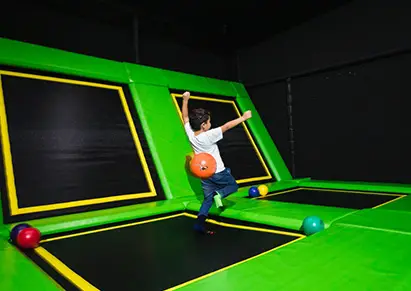

Buying imported outdoor ropes or high-rope expansion equipment may seem straightforward, however many projects encounter issues before they even begin construction. Some projects pay too much attention to price and neglect safety standards. Other projects fail to consider if the materials can withstand their local climate. Even more projects suffer from setbacks due to shipping delays or poor communication about assembly/installation. We've even heard of one small outdoor adventure park in Southeast Asia that had to partially dismantle their course because the rope strength wasn't suitable for how they intended on using it. Learn from others' mistakes early on and you can save yourself time, money, and unnecessary headaches.
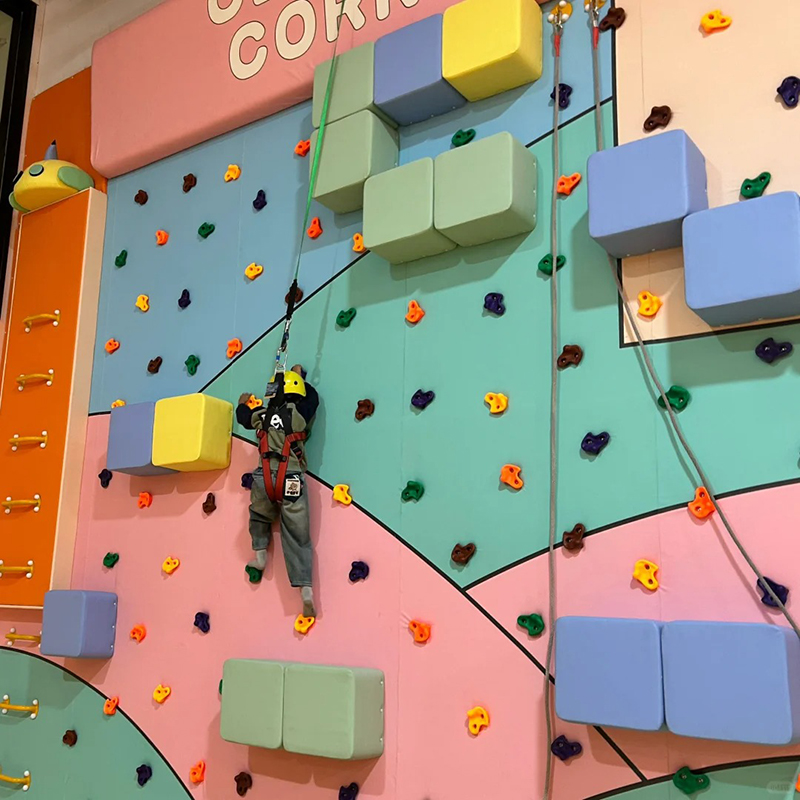
Common Customs & Certification Failures Explained
Improper or missing documentation leads to delays in customs clearance of Outdoor play systems and high-rope expansion equipment. Most times the importer believes that the supplier has taken care of all appropriate procedures; this is not always true. Some countries require various safety certificates such as load testing, material certificates before the product can even leave the country of origin. A mistake that is commonly made is using certificates that appear to be correct but are not accepted by the receiving country. An example of this would be a small ropes course in the Middle East that imported a full ropes course system. It sat at the port for weeks because the safety certificate had been tested by a laboratory that was not recognised by that country. The product was fabulous but they could not clear customs. Old certification can also cause delay. Some suppliers will use testing reports from one batch of product for subsequent batches. When customs wants to see documentation for a certain batch number those stickers or print dates can cause delay or rejection. Ambiguity with different safety test standards can also create confusion. Some countries require EN compliant material, while others want ASTM or in-country safety standards. Not knowing this beforehand can lead to expensive re-packaging or rework at the port. To avoid this confusion there are three things a buyer should verify up front. Is the certification valid for that particular country, is it from an approved testing facility and lastly, is it for the correct batch. A buyer can request samples of documents before production starts to verify any problems. It may create a delay upfront, but in the end it will save time when your goods arrive.
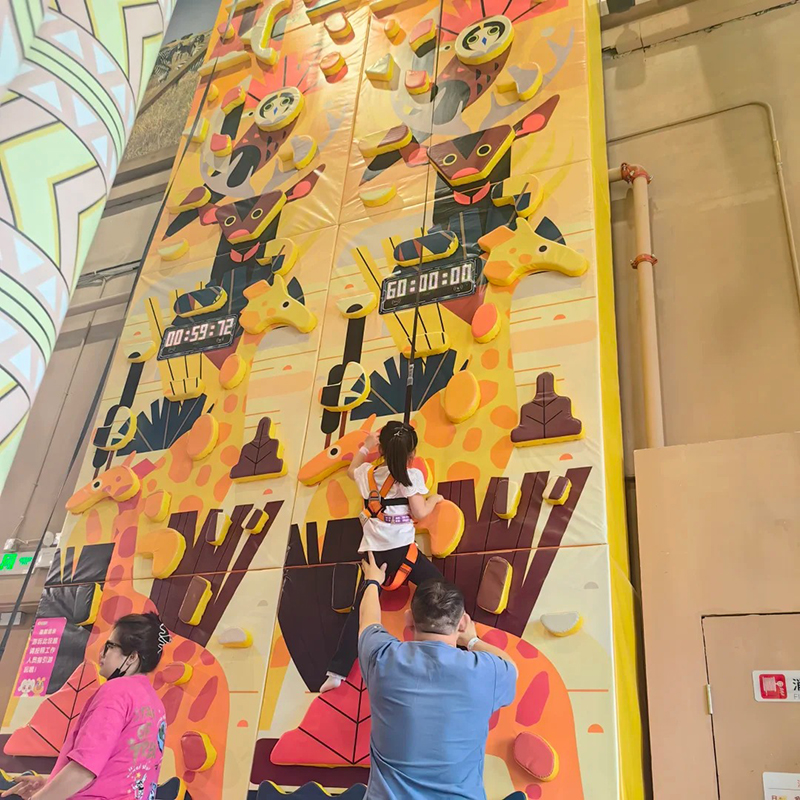
Wind Resistance & Weather-Proof Material Selection Tips
With high-ropes courses and their associated ropes being out in the sun, rain, and wind all year, the material chosen is of utmost importance. A common trap when importing equipment is believing all “outdoor grade” ropes behave similarly. Even small differences in coating, fibre or steel processing can have an impact on how the system reacts in these extreme conditions. Wind isn't just going to affect your ropes though. Flimsy or floppy components will flap around causing stress on cables and attachments. Lesson learnt; several ropes at a sea themed adventure park needed replacing after one typhoon season. Contributing factors included lack of UV protection which also degraded the rope's durability. UV radiation when selecting your materials. Cheap polypropylene isn't ideal for sunny climates. Polyester performs better outdoors than many alternatives. Hot dip galvanized steel or stainless steel can prevent rusting on metal parts, especially near salt water or rainy climates. Water resistance is another important factor. Ropes can become heavy and stretched when wet, which will have an effect on tension. Changes in tension can affect the whole course making it unsafe or uncomfortable for riders. A simple way to check this is to ask your supplier for water absorption percentages, as well as testing conducted outdoors and not just in laboratories. Temperature changes also have more of an effect than you might realise. Certain locations go through drastic cooling of equipment overnight. Your selected materials should be able to withstand changes in shape and strength at these temperatures. If you're looking to purchase anything, try and request a trial in the environment you wish to use it in. A small investment in a trial will allow any potential issues to be spotted before installing. Key areas to focus on would be coating durability and joiner performance.
How We Help You Pass Local Inspection Smoothly?
Smoothing the path for local inspection of outdoor ropes and high-rope systems isn't just a matter of having safe equipment. It's about being organised for the inspectors to easily review and accept. The most common issues aren't usually safety concerns, but rather missing or difficult-to-identify information. One of these is matching documents. Each Outdoor play set like rope, connector and metal component should be on the list of specifications you give the inspector before starting work. The inspector may hold up the approval if they spot a part on site that is not on the paperwork, even if they are different, but have the same model name or batch code. Having an itemised list helps with this. The other crucial issue is layout on-site. They check spacing, elevation and anchoring strength. Any small variations from the drawing can lead to rework. That's why it's helpful to mark the ground prior to installation. Labeling is also important. Labels with load limits, recommended ages and hazard symbols indicate to inspectors that the system is safe and ready for use. Incomplete or ambiguous labels can cause further questions, despite a structure being safe. Examples demonstrate how minor issues can delay things. An indoor-outdoor adventure park couldn't open because the rope tension logs were not signed by the installer. The Outdoor soft play equipment was fine but the inspector couldn't be sure it was tested. To prepare for inspection, do a self-check. This includes checking all connections, documentation and retesting load points. Some parks also run a "mock inspection" with someone acting as the inspector to pick up on minor details.
Our 2kiddy is comprehensive amusement project manufacturer, which have one-stop service of design-sale-shipping-installation guidance, we offering a wide variety of indoor&outdoor playground, trampoline park, rope course, plastic slides, fitness equipment, soft play etc.