 EN
EN RU
RU FR
FR AR
AR BG
BG HR
HR CS
CS DA
DA NL
NL FI
FI DE
DE EL
EL HI
HI IT
IT JA
JA KO
KO NO
NO PL
PL PT
PT RO
RO ES
ES SV
SV CA
CA TL
TL IW
IW ID
ID LV
LV LT
LT SR
SR SK
SK SL
SL UK
UK VI
VI SQ
SQ ET
ET GL
GL HU
HU MT
MT TH
TH TR
TR FA
FA AF
AF MS
MS SW
SW GA
GA CY
CY BE
BE IS
IS MK
MK YI
YI HY
HY AZ
AZ EU
EU KA
KA HT
HT UR
UR BN
BN BS
BS CEB
CEB EO
EO GU
GU HA
HA HMN
HMN IG
IG JW
JW KN
KN





The type of material used for playground equipment is as essential as the design for kids’ safety.
Any well-rounded guide to playgrounds should analyze the pros and cons of various material options for the equipment.
If you’re looking to install a slide playground at your public or private facility, consider available material options for playground equipment to find the perfect choice for longevity, minimized maintenance and fun.
Read the full article or jump to a specific section:
Different Playground Equipment Surfaces
The Tips for Maximizied Your Playground Equipment Surface Materials
Which Playground Equipment Material Is Most Common?
Which Types of Ground Covering Surfaces Are Most Common?
As new safety requirements appear, older equipment may need replacing to ensure that the materials are safe for kids. Modern playground components use durable, safe materials to ensure kids have a play space that will withstand the elements and last for years with proper maintenance. The normal types of equipment surfaces include metal, plastic, wood and rubber.
When selecting the types of surfaces for playground equipment, you need to consider the outdoor temperatures, the playground’s location and the amount of maintenance you can put into its upkeep. Finding the ideal material for your playground can help create a safe space for everyone.
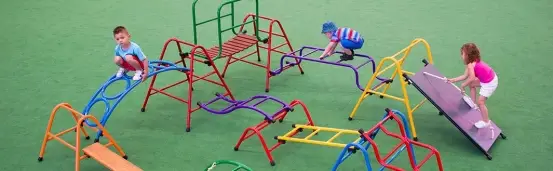
Metal
Metal is a common material used for building playground equipment due to its strength and polished look. While durable and long-lasting, metal has some drawbacks to consider for your playground equipment. The most significant concerns for metal are corrosion and burns, though additional surfaces and coatings can greatly reduce these risks.
Metal can be hot to the touch on sunny days at play areas with no shade around. For uncoated metal, the chances of corrosion increase because the material does not have protection against rust from rain exposure. Plus, uncoated metal has the lowest temperature for causing burns to the skin – 60 degrees Celsius or 140 degrees Fahrenheit in three seconds.
You can reduce the risk of corrosion and burns by choosing coated or painted metal. Painted, galvanized or coated metal helps avoid corrosion and rust. Several coating options are safe and protective for children.
With coatings, the temperature that can cause burns increases. A lacquer coating on metal raises the temperature that can cause burns in three seconds to 68 degrees C or 154.4 degrees F. Polyamide 11 or 12 coating on metal raises the threshold even higher to 77 degrees C and 170.6 degrees F.
To reduce the chance of burns, choose metal playground equipment with a plastic coating, which kids can touch even after sunlight exposure. For instance, on a Tensile Tough™ Noodle Climber, the internal structure is metal, but the parts kids interact with are soft and heat-resistant. You can also use playground shade structures over play areas and playground equipment to protect kids from high temperatures on surfaces.
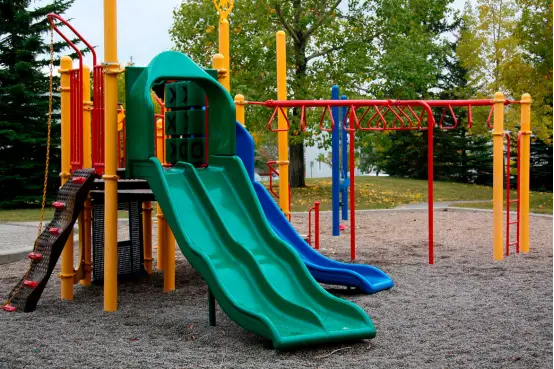
Plastic
You can find many different plastic options for playground equipment. The benefit of plastic is its ability to reduce the risk of burns. The average temperature for burns with three seconds of plastic exposure is 77 degrees C and 170.6 degrees F.
Types of plastics used for playgrounds include polyamides, duroplastic, polytetrafluorethylene, acryl glass and UV-stabilized high-density polyethylene (HDPE). Many plastics can resist mold and mildew damage and require only soap and water for cleaning, making plastic a convenient and low-maintenance choice.
Plastic can coat or form the structure of slides, panels, playhouses and other equipment. For example, high-traffic areas or spots in direct sunlight that need additional protection benefit from polyvinyl chloride (PVC) coating. If you choose equipment with a plastic coating, you can also pick the color, so your playground equipment maintains its exciting look while becoming safer. Our slip-resistant PVC coating comes in tan, green, gray, brown, red or blue.
One drawback of plastic equipment surfaces is that they’re less durable than metal structures and surfaces. With proper care, however, plastic can last for a long time. While performing regular playground maintenance, look closely at any plastic parts to identify small cracks or breaks you may be able to repair before they worsen.
Wood
Wood is a prevalent option for playgrounds. Its natural surface requires almost boiling temperatures — 99 degrees C or 212 degrees F — before it will cause burns within three seconds of touching the material. Wood is ideal for sites in direct sunlight, though it is important to coat the metal hardware the holds the wood together so those pieces stay cool as well.
While wood does not conduct heat, it can rot or harbor insects. You should choose a naturally insect-resistant wood, such as redwood or cedar. Coating the wood with a preservative to protect against rot can let you use other wood types different from cedar or redwood.
Treated wood is another option, but you should be careful about the type of wood used. Before 2003, manufacturers used chromated copper arsenate (CCA) wood for playground structures. CCA contains high concentrations of arsenic that can dislodge from treated wood and harm people who come into contact with it. If you still have these structures in your facilities, consider replacing them with safer alternatives. In addition to outdated wood treatments, playsets more than two decades old may not meet current safety and accessibility standards.
Today, treated wood uses safer alternatives to arsenic-containing CCA. When choosing these types of wood, check that the hardware will not interact with the chemicals used.
Treated wood holds up well against water damage and rot. In addition, adding a stain or coating can keep all playground elements in excellent condition instead of fading in the sun.
In addition to coating concerns, wood can also splinter and break more easily than structures made out of metal or plastic. While doing routine playground maintenance, check for any weak spots or splintering areas that may need repair or replacement.
Wood can be a long-lasting, safe surface for playground equipment. However, you need to use the correct type of wood and coat it appropriately to ensure longevity and safety.
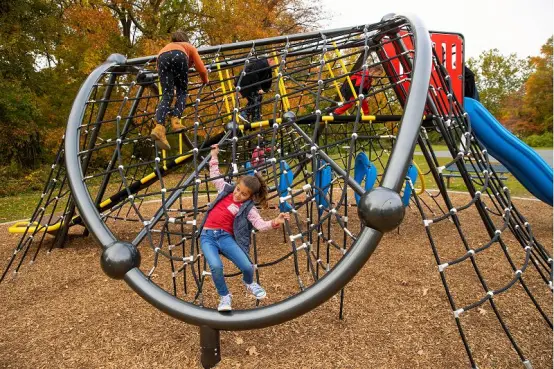

Our 2kiddy is comprehensive amusement project manufacturer, which have one-stop service of design-sale-shipping-installation guidance, we offering a wide variety of indoor&outdoor playground, trampoline park, rope course, plastic slides, fitness equipment, soft play etc.