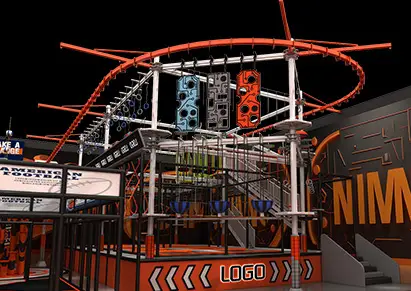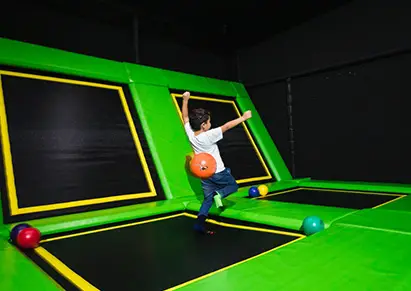

Creating a Ball Play Area in a public playground is an excellent way to provide children with a fun, engaging, and physically active space. This guide will walk you through the key steps and considerations for successfully implementing such a project.
1. Needs Assessment and Planning
Target Audience Analysis: Determine the age range of the children who will use the area. Understanding their interests and needs is crucial.
Site Selection: Choose a location that is accessible, safe, and has enough space to accommodate various ball games. Consider factors like proximity to residential areas, visibility, and safety.
Community Engagement: Involve the local community in the planning process. Gather input from parents, teachers, and children to ensure the area meets their needs and expectations.
2. Design and Safety
Safety Standards: Ensure that all designs comply with local and national safety standards. Use non-toxic, child-friendly materials and avoid sharp edges or protrusions.
Surface Materials: Install soft, impact-absorbing surfaces such as rubber mulch, synthetic turf, or poured-in-place rubber to minimize injuries from falls.
Accessibility: Make sure the area is accessible to all children, including those with disabilities. Include ramps, wide pathways, and adaptive equipment if necessary.
Diverse Activities: Design multiple zones for different types of ball games, such as mini-soccer fields, basketball hoops, and ball pits. Incorporate elements that cater to various age groups and skill levels.
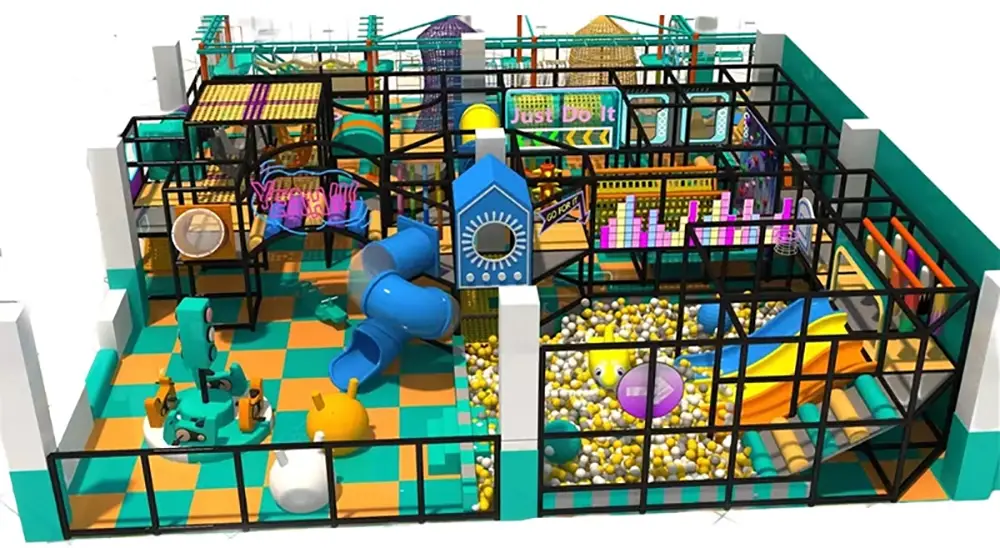
3. Equipment and Amenities
Quality Equipment: Invest in high-quality, durable, and safe equipment. Choose balls and other play items that are appropriate for the intended age group.
Shade and Seating: Provide shaded areas and seating for parents and caregivers. This encourages longer visits and ensures comfort for all visitors.
Storage Solutions: Include storage options for balls and other equipment to keep the area organized and tidy.
4. Construction and Installation
Professional Contractors: Hire experienced contractors and playground designers to ensure the project is completed to a high standard.
Supervision and Quality Control: Regularly inspect the construction site to ensure that all work is done according to specifications and safety standards.
Timeline Management: Develop a detailed construction timeline and adhere to it to minimize disruptions and ensure timely completion.
5. Maintenance and Management
Regular Inspections: Establish a routine maintenance schedule to check for wear and tear, and address any issues promptly.
Cleaning and Sanitization: Regularly clean and sanitize the play area, especially high-touch surfaces and play equipment.
Rules and Signage: Clearly post rules and guidelines for using the Ball Play Area. Include information on age restrictions, supervision requirements, and safety tips.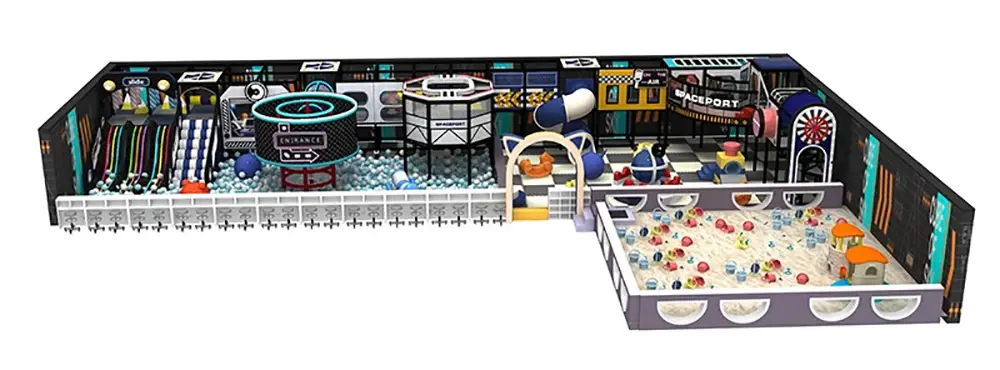
6. Community Involvement and Programming
Events and Activities: Organize regular events, tournaments, and activities to engage the community and encourage frequent use of the area.
Feedback Mechanisms: Set up channels for receiving feedback from users. This can help you make continuous improvements and address any concerns.
Safety Training: Train staff and volunteers on basic first aid and emergency procedures. Ensure that there are clear communication protocols in place.
7. Sustainability and Environmental Considerations
Eco-Friendly Materials: Use sustainable and eco-friendly materials whenever possible. This not only benefits the environment but also sets a positive example for children.
Water Conservation: Incorporate water-efficient landscaping and irrigation systems to reduce water usage.
Recycling and Waste Management: Provide recycling bins and promote responsible waste disposal practices.
By following these steps, you can create a safe, engaging, and inclusive Ball Play Area that will be a valuable asset to your community. Such a space not only promotes physical activity and social interaction among children but also enhances the overall quality of life in the neighborhood.
XingJian Play Toys
 EN
EN RU
RU FR
FR AR
AR BG
BG HR
HR CS
CS DA
DA NL
NL FI
FI DE
DE EL
EL HI
HI IT
IT JA
JA KO
KO NO
NO PL
PL PT
PT RO
RO ES
ES SV
SV CA
CA TL
TL IW
IW ID
ID LV
LV LT
LT SR
SR SK
SK SL
SL UK
UK VI
VI SQ
SQ ET
ET GL
GL HU
HU MT
MT TH
TH TR
TR FA
FA AF
AF MS
MS SW
SW GA
GA CY
CY BE
BE IS
IS MK
MK YI
YI HY
HY AZ
AZ EU
EU KA
KA HT
HT UR
UR BN
BN BS
BS CEB
CEB EO
EO GU
GU HA
HA HMN
HMN IG
IG JW
JW KN
KN